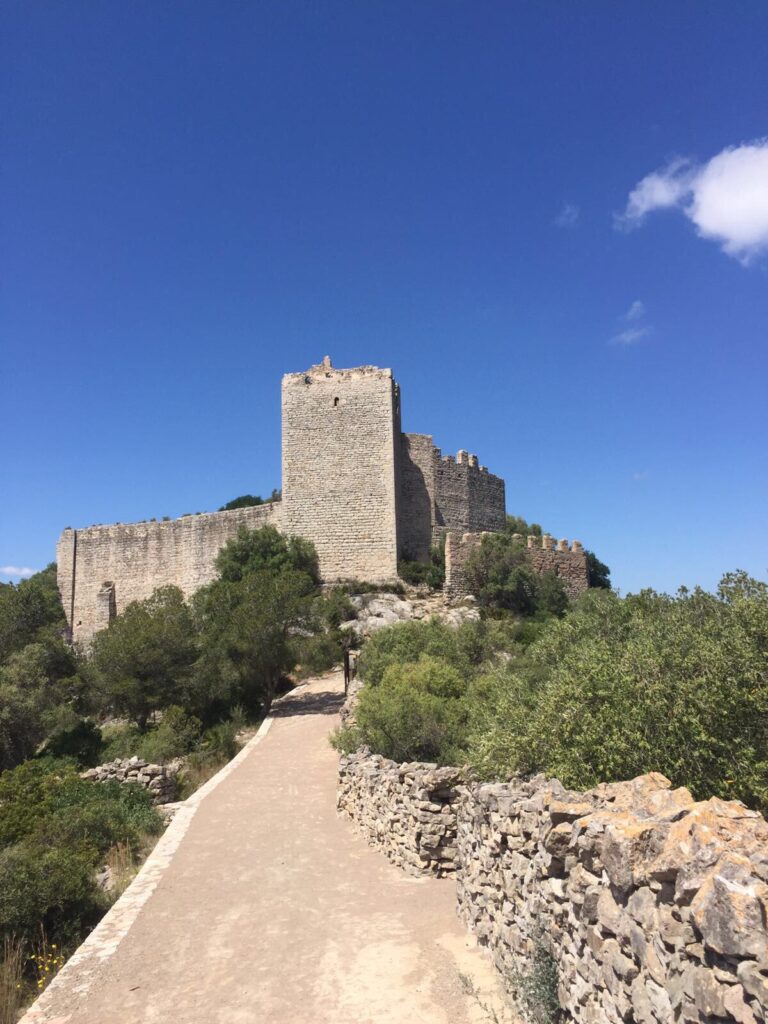
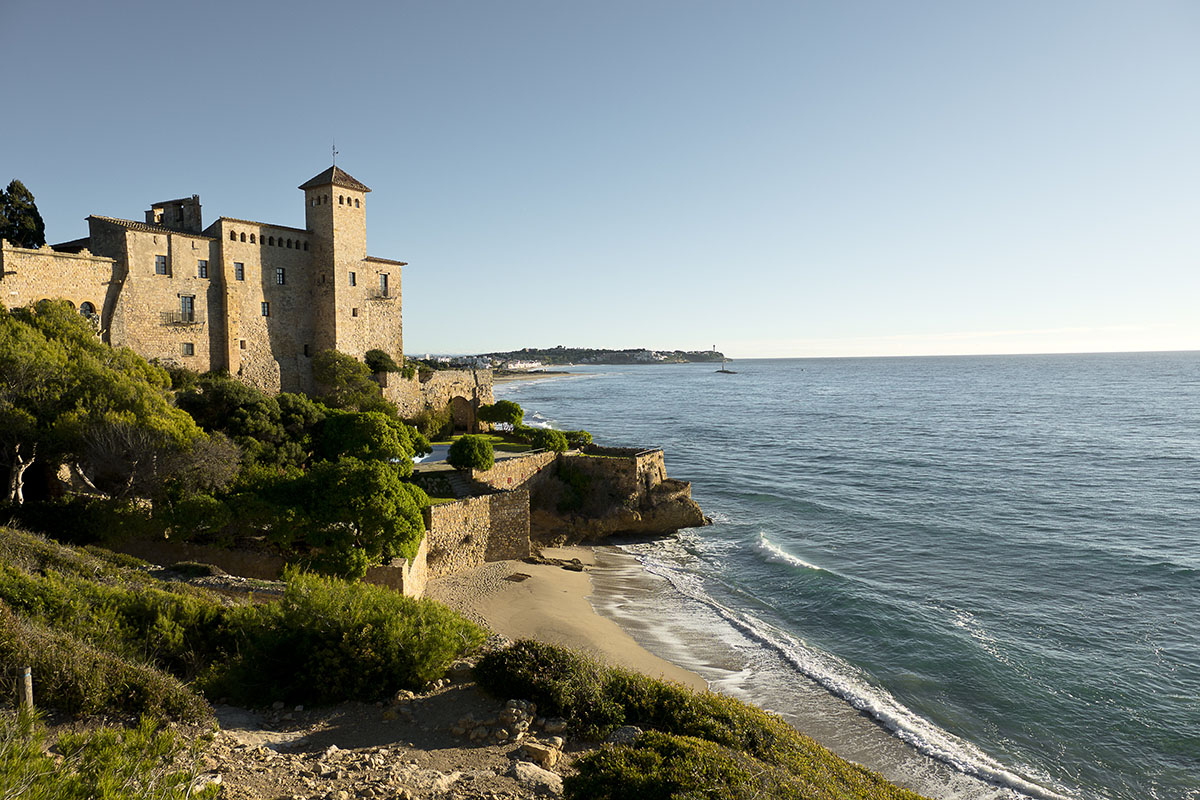
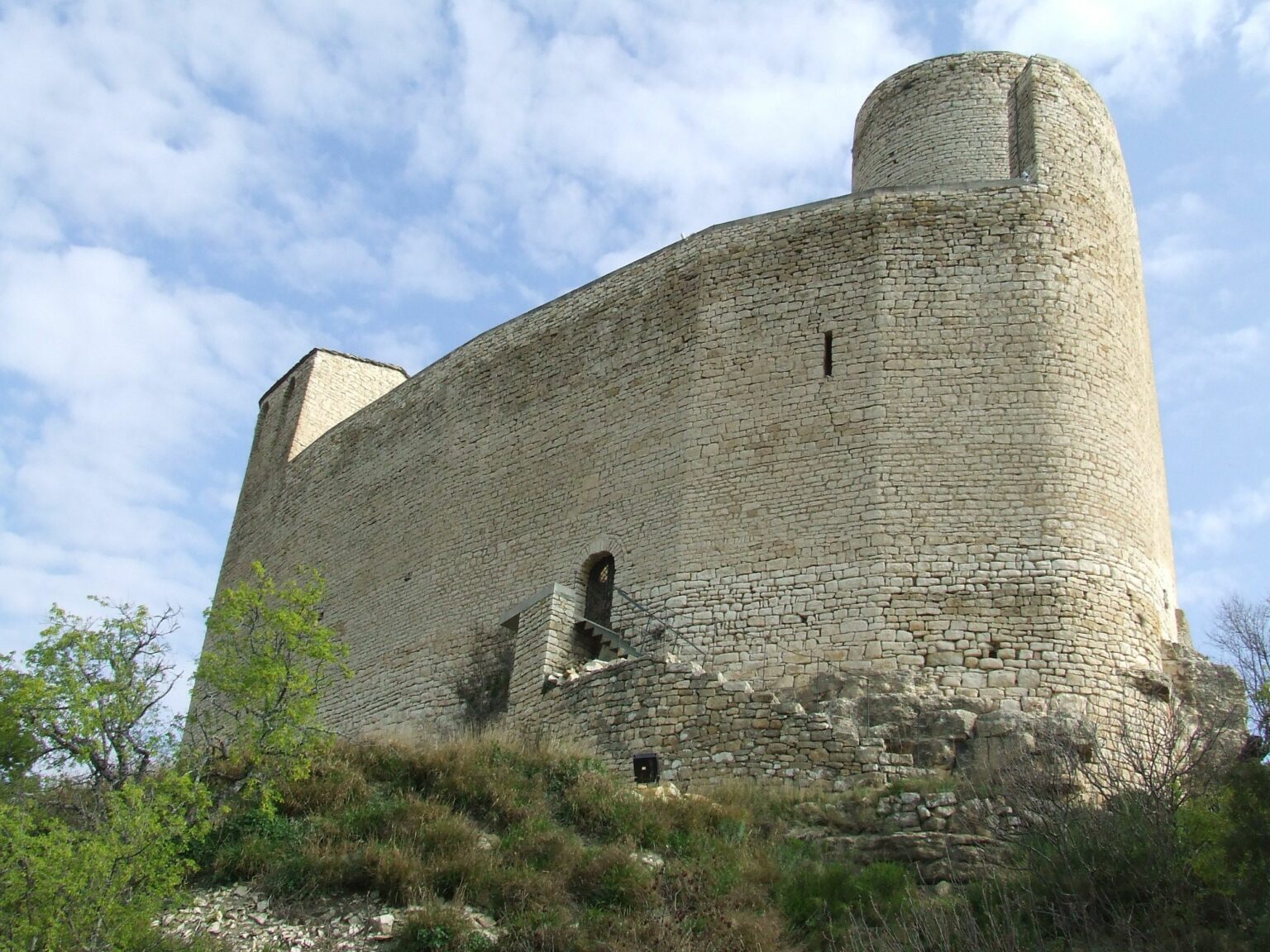
The route explores the medieval castles and fortresses scattered throughout Catalonia.
We designed a cultural tourism strategy to make historical heritage more accessible using an educational and experiential approach.
Cultural projects
Border Castles Route
The architectural legacy bequeathed by the Middle Ages constitutes one of the treasures of Catalan heritage. Applying an educational and experiential approach, the Border Castles Route encompasses several itineraries to discover the castles and fortresses of today’s Catalonia and their surrounding landscapes.
CHALLENGE
The Strategic Tourism Plan for Catalonia (2013-2016) sought to improve the integrated management of tourism and align its development with regional potential and planning, fostering sustainable competitiveness among the regions.
The Border Castles Route designed by MagmaCultura is part of this pioneering plan. The project therefore had to take the characteristics and peculiarities of the assigned area of development into account, that is, Catalonia’s inland area, its potential and resources, to contribute to enhancing its historical and architectural heritage, and to the region’s economic and social profitability through the development of cultural tourism.
GOALS
Magmacultura, as the company specialising in cultural tourism responsible for designing the route, based its work on the following goals:
To devise a plan for a series of itineraries through inland Catalonia with a narrative and logistical strategy capable of attracting tourists, contributing to seasonal adjustment and the diversification of traditional sun and beach destinations.
To create high-quality routes that combine history with the various defining features of today’s territory.
To showcase the surroundings of the castles and fortresses: their landscapes, construction materials, markets, festivities, etc., boosting visitor interest and enhancing intangible heritage that lends cohesion to the territory and defines its idiosyncrasy. To contribute to developing the locations with heritage assets, fostering each area’s tourism promotion and their natural and artisanal products.
TASK
Our work started out with documentation and research to gain more in-depth knowledge of the heritage assets that were to comprise the route, both from a historical and architectural perspective, with a view to identifying the pillars that would allow us to connect the heritage with the territory.
On the basis of all this information, we went on to:
Identify the main points of interest.
Design various territorial and theme-based, experiential and educational itineraries aimed at the dissemination of cultural heritage and the knowledge and interpretation of the world of castles in the framework of consolidating the Catalan territory during the Middle Ages.
Conceptualise each cultural tourism product with quality parameters and convey the uniqueness of each of its components.
RESULTS
The uniqueness of the route’s heritage assets and their importance in Catalonia’s development over history make it a complementary and valuable resource for cultural tourism. Furthermore, the interpretation and dissemination of the Border Castles Route contributes to restoring a significant share of Catalonia’s historical and geographical heritage.
KEY PROJECT FEATURES
Integration of regional needs into the vision of cultural and tourism consultancy.
Integration of regional needs into the vision of cultural and tourism consultancy.
Design of strategies for the development of cultural audiences.
This website uses cookies to improve your experience while you navigate through the website. Out of these, the cookies that are categorized as necessary are stored on your browser as they are essential for the working of basic functionalities of the website. We also use third-party cookies that help us analyze and understand how you use this website. These cookies will be stored in your browser only with your consent. You also have the option to opt-out of these cookies. But opting out of some of these cookies may affect your browsing experience.